Early Days: Raw Talent and First Tournaments
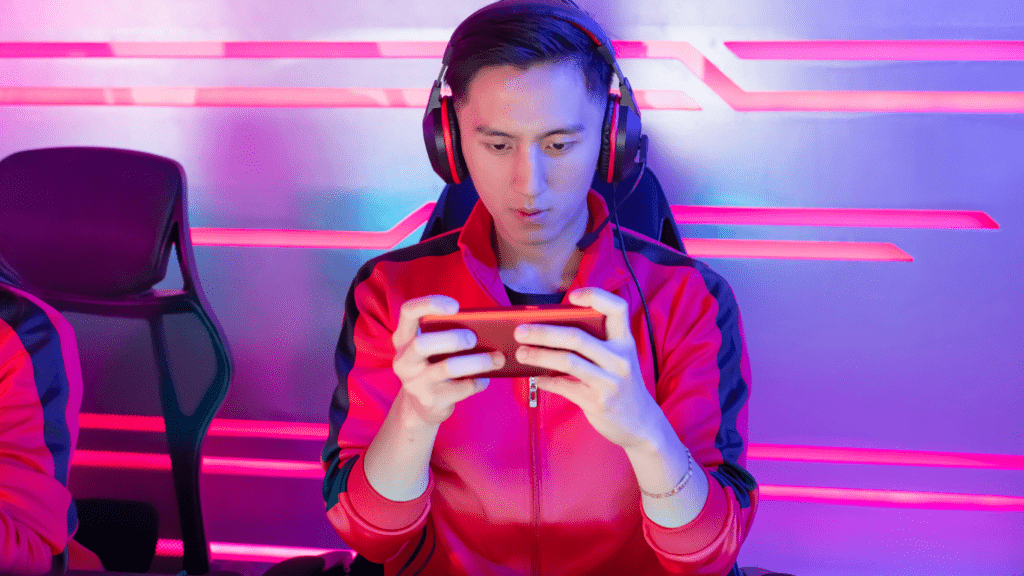
The path from hobbyist to professional esports player often begins in unexpected spaces bedrooms, basements, and spare hours stolen between school or work. But not everyone grinding ranked mode becomes a star. So what sets rookie pros apart from casual gamers?
From Casual to Competitive
Transitioning into rookie pro status takes more than high scores:
Consistency: Top rookies deliver strong performances across multiple games or seasons, rather than isolated wins
Game Sense: Awareness, decision making, and fast reactions set elite players apart
Work Ethic: Willingness to train, lose, learn, and come back stronger despite failure or stagnation
First Entry Points Into Competitive Play
For most players, the first real test of skill happens in grassroots and semi pro circuits:
Local tournaments: LAN cafes, university leagues, or regional brackets often provide foundational competitive experience
Online ladders: Ranked seasons or league points serve as scouting grounds for talent scouts and teams
Streaming presence: Breakout Twitch clips and viral highlights can also fast track exposure, especially when paired with a compelling personality
The Power of Guidance and Early Support
Very few rookie pros go it alone. Mentorship and coaching play a huge role in converting talent into focused growth:
Coaches offer insights in strategy, positioning, and emotional regulation
Early organizations sometimes sign raw players and build them up in development squads
Experienced peers often guide younger talent informally, setting standards and sharing tips
Real Growth Stories
From first tournaments to major championships, the evolution of top players is filled with milestones. Want to see transformation in action? Explore detailed journeys of rising stars in this feature: Rookie to All Star Stories
These early stages set the tone not just for performance, but for identity, routine, and resilience in the world of elite esports.
Building the Toolkit: Skill, Strategy, and Mindset
The difference between a rising amateur and a legit pro usually comes down to one thing: routine.
Top tier players don’t just game they train. Daily practice means aim trainers before breakfast, VOD reviews after lunch, and scrimmages slotted in like clockwork. Game IQ drills studying maps, picks, rotations, and timing are just as important as raw mechanics. It’s not glamorous, but it works.
What separates the grinders from the greats, though, is mindset. Everyone loses. Everyone tilts. Pros learn how to bounce back faster, how to take feedback without folding, and how to manage stress when the spotlight’s hot. Mental endurance is trained just like muscle memory on repeat, often off stream.
And as games get more team focused, strong communication is non negotiable. Rising stars are learning to sync with teammates, give clear callouts, and work with coaching staff like pros not solo queue heroes. If you want to build a career, you can’t just play well. You need to speak the same language your team does and mean it.
Going Pro: Contracts, Streams, and Stress

Signing with a major org sounds like the finish line, but it’s actually the starting block of a much tougher race. Sure, there’s money, structured training, gear, exposure but that also comes with a schedule, rules, and pressure. You’re no longer just playing the game. You’re in the business of it.
Most orgs expect a lot: performance, professionalism, content. That means adapting to team dynamics, sticking to a tight streaming schedule, and keeping your public image clean. Chemistry matters bad vibes can tank a team. And streaming isn’t optional anymore. It’s how players build their fanbase and add value beyond the scoreboard.
Brand building becomes survival. Smart players develop their identity early unique style, storytelling, collabs, sponsor friendly content. Diversifying income through merch lines, partnerships, or side projects protects against the volatile nature of contracts and shifting metas.
It’s a job now. A high stakes one. The players who thrive are the ones who treat it that way while keeping the fuel of passion lit.
Icon Status: Legacy, Influence, and the Next Generation
In 2024, the word “icon” in esports means more than stacked kill/death ratios or championship rings. It’s about impact on the game, the team, and the culture. Today’s icons bring more than just skill. They lead. They teach. They show up when cameras are off.
Veteran players aren’t just grinding for wins anymore. Many are guiding incoming talent, offering scrim advice, breaking down decision making, and even helping rookies navigate their first contracts. It’s a shift from solo spotlight to squad legacy. The best players are becoming the best mentors.
And more of them are giving back. Through personal brands, team run academies, and training programs, these veterans are shaping the next generation on their own terms. They’re creating content that educates, founding programs that train, and partnering with orgs to make room for rising talent.
So if you’re wondering how someone moves from rookie to legend, it’s not just highlights. It’s leadership. For a deeper look at how pros evolve into icons, check out the full arcs in rookie to all star stories.
The Evolution Continues
As esports continues to grow at a rapid pace, staying relevant isn’t just about skill. Even top tier players must constantly adapt to new games, changing metas, and shifting expectations from fans and organizations.
Adapting to Shifting Metas and New Titles
The competitive environment evolves quickly. Game developers introduce patches, reworks, and entirely new titles that can expand or completely upend a player’s career.
Meta changes can redefine dominant strategies overnight
New titles bring opportunity, but demand fresh skills
Icons who last are those who study game evolution like scholars, not just players
Longevity Tactics for Staying in the Game
Reaching icon status means more than momentary dominance it requires careful attention to physical health, mental resilience, and long term planning. Talented players often burn out without systems to sustain their lifestyle.
Health management: Regular exercise, sleep routines, and injury prevention are now part of the esports grind
Mindset development: Veteran pros invest in sports psychologists, meditation, and mentorship support
Career pivots: Smart players plan for when peak mechanical skill fades developing into IGLs, analysts, or content creators
The Future is Hybrid
The modern esports icon doesn’t just play they build, teach, and influence. As the industry matures, careers are expanding beyond the game.
Esports media: From hosting podcasts to casting games, players are leveraging their insight
Coaching & mentoring: Retired pros are guiding the next generation with hard won experience
Entrepreneurship: New ventures in training platforms, branded gear, or performance coaching are on the rise
The journey from rookie to icon doesn’t end at the championship stage it evolves. Today’s legends are carving paths that will define what it means to have a lifelong career in esports.