Global Stakes Are Higher Than Ever
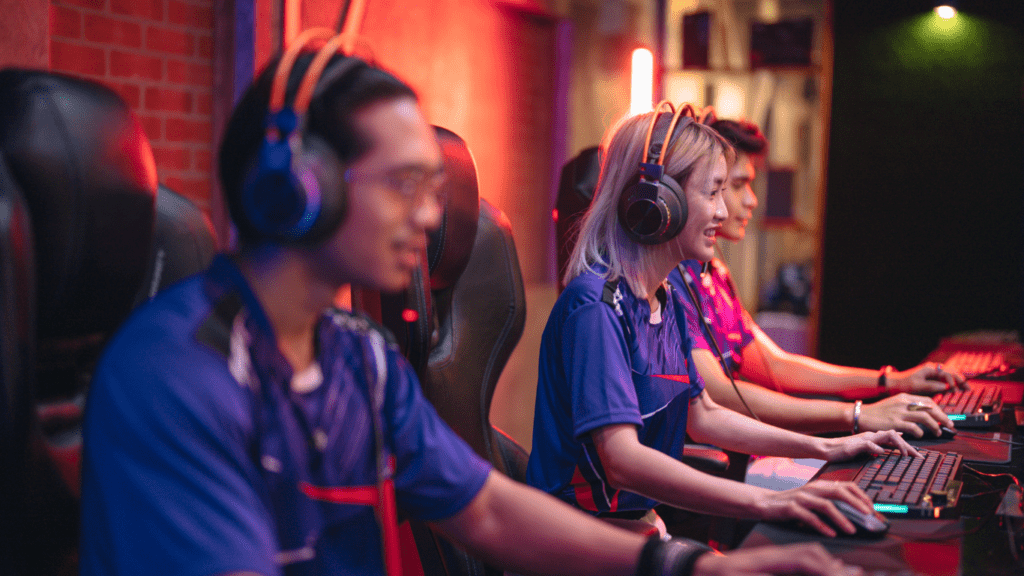
Esports isn’t just rising in 2026 it’s accelerating. Audience growth is hitting new highs across every major region, fueled by improved accessibility, better mobile viewing, and smarter content distribution. Events aren’t just being livestreamed they’re being broadcast in multiple languages, with layered real time stats, co stream options, and even in game predictive overlays. This isn’t just viewership growth it’s platform native evolution.
On the money side, prize pools are setting records not just for titles like Dota 2 or Fortnite, but across mid tier scenes too. More brands are stepping in, drawn by gaming’s unmatched connection to Gen Z and Alpha. Sponsors are localizing their outreach, teams are attracting venture capital at a faster pace, and game publishers are doubling down on long term circuit design. Simply put, 2026 isn’t about one title dominating it’s about the entire industry maturing.
For players, it means heavier stakes and a deeper pro pipeline. For fans, more access and higher quality coverage. For everyone else, it’s proof that esports isn’t a bubble it’s infrastructure now.
League of Legends World Championship
The 2026 League of Legends World Championship is heading back to Asia, and it’s doing so with more than just pageantry. Riot’s shaking things up with a revamped format aimed at reducing long downtime between matches and giving underperforming regions a better shot at glory. Expect more double elimination brackets, shorter stage segmentation, and a tightened schedule that keeps tension high.
But it’s not just about the structure. Long standing rivalries like LPL vs. LCK or NA’s endless chase for legitimacy are primed for another spotlight. Some of these teams have fresh blood, while others are returning with rebuilt rosters shaped by the most aggressive off season in years.
Add in the latest champion reworks and evolving item builds, and the meta is looking anything but stable. Teams that adapt fast and aren’t afraid to break from conventional picks will have the edge. Combine the stakes, the new format, and the clash of playing styles, and Worlds 2026 is shaping up to be more than a tournament. It’ll be a reckoning.
The International (Dota 2)
Evolving Structure: A Boost for Tier 2 Teams
Valve is committing big structural support to the tier 2 and development scenes. For years, Dota 2’s competitive ladder has been criticized for its volatility outside the top tier. In 2026, Valve is addressing this with more predictable funding, regional league stability, and expanded qualifiers.
Key improvements include:
Better prize allocation across regional tournaments
Increased visibility through official DPC style content promotions
More spots for lesser known teams at international events
Western Teams: Is a Comeback on the Horizon?
Eastern dominance has defined The International for the past few years, but 2026 could mark a shift. Several Western orgs have invested heavily into new rosters, seasoned coaches, and analytics based decision making.
Teams to watch:
A retooled Team Liquid looking sharper than ever
Alliance and OG rebuilding with promising talent
North American dark horse runs brewing in the qualifiers
Prize Pool & Event Design: Expectations vs. History
Though The International’s massive crowdfunded prize pools have dipped slightly since the record breaking days of TI10, 2026 is still projected to offer one of the largest prize pots in esports history.
Projected features:
Hybrid digital/live fan engagement zones
Return to traditional best of five grand finals
Meta focused panel segments for more strategic audience insights
Explore More: Strategic Shifts Behind the Scenes
Want a deeper breakdown of the trends shaping 2026’s top tier tournaments? We’ve got you covered.
➡️ Event breakdown: Strategic Trends Emerging From Major Esports Competitions in 2023
CS2 Major Championship Series
A New Era for Counter Strike
2026 marks the first full year of Counter Strike 2 (CS2) played at the highest competitive level. The switch from CS:GO to CS2 hasn’t just refreshed the pro scene it’s redefining how the game is played, streamed, and understood.
Game Changing Mechanics
With CS2’s updated engine and physics, a number of new mechanical dynamics are having immediate and long term effects on how teams approach each map.
Volumetric smokes allow for new tactics, making vision control less predictable
Subtick server updates lead to more responsive movement and gunplay
Map retouches are shifting preferred strategies, particularly on Dust2 and Mirage
These changes are causing teams to update frag routes, utility usage, and timing protocols across the board.
Emerging Regional Forces
While Europe remains dominant historically, 2026 opens the door for underrepresented regions to make a deeper impact on the international stage:
Asia Pacific: Strategic patience and mechanical growth are converging in new powerhouses coming out of South Korea and Thailand
North America: A new generation of players is blending aim heavy aggression with team focused strategy, revitalizing the region’s prospects
South America: Brazilian rosters continue their disciplined grind, with improved coaching infrastructures finally paying off
As the CS2 Major Championship Series unfolds, expect a radically competitive climate where map mastery and team chemistry outweigh legacy.
Why This One Matters
The 2026 CS2 Major isn’t just another tournament it’s a case study in how one of the most iconic esports franchises reinvents itself. With a completely re tuned meta, evolving global talent pools, and new mechanical depth, this championship is poised to shape the next era of competitive Counter Strike.
VALORANT Champions Tour Finals
VALORANT has officially outgrown its regional training wheels. Riot’s 2026 competitive circuit marks a transition into a fully globalized format with teams crossing paths far earlier and more often. This isn’t just a branding tweak. Mid season international brackets mean meta clashes between North America, EMEA, APAC, and LATAM aren’t limited to the championship’s final days they’re baked into the road to get there.
This shift comes with a consequence: the franchise model is still creating a visibility gap. Tier two and unpartnered teams struggle to break through. It’s harder than ever to be a true underdog. Without wildcard slots or open qualifying routes into the spotlight, breakout stories risk being locked out before they can begin.
Still, for top tier squads, the international LAN stage is the main event. The rivalries are heating up Korean aim gods vs. European tacticians, North American aggression against Brazilian chaos. Expect rematches, revenge arcs, and possibly the closest skill parity the scene has seen yet. For fans, this is the year VALORANT stops being a patchwork of regions and starts becoming one unified, high stakes narrative.
Rocket League World Championship

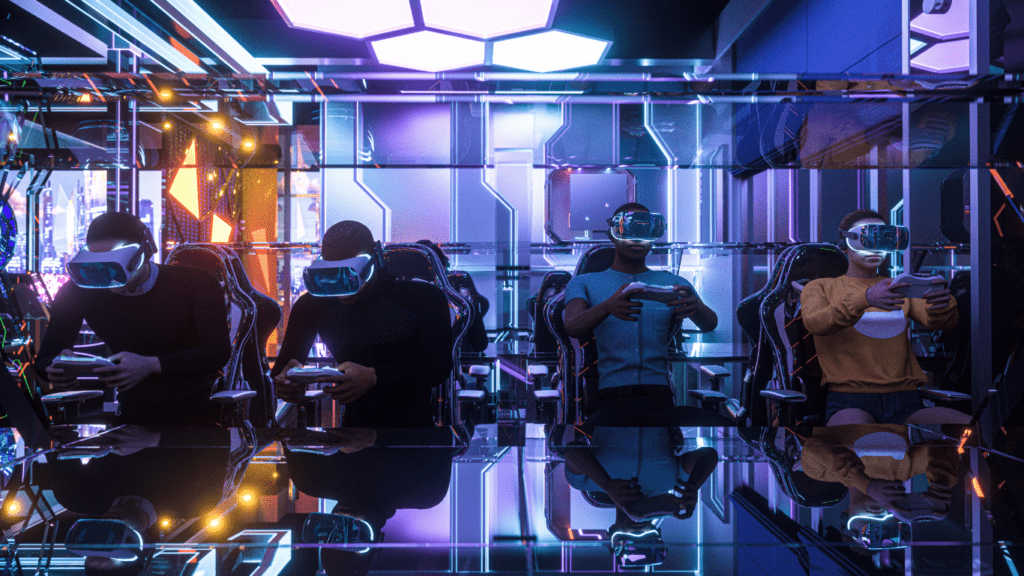
Rocket League might still look like the same turbo charged car soccer at first glance, but under the hood, the 2026 World Championship is leveling up the viewer game. Spectator tech is getting a serious overhaul, with ultra responsive stats overlays, dynamic camera switching powered by AI, and cleaner, more intuitive UI helping both hardcore fans and newer audiences keep up with the action. Matchday feels less like a simple stream and more like an immersive broadcast.
But the big leap? Mixed reality integrations. Expect virtual studio crossovers, real time augmented visuals layered into live play, and reactive elements tied to fan engagement. The line between screen and stadium is starting to blur.
And while North America and Europe still bring heavy hitters, the real story might be the rise of South America and MENA (Middle East and North Africa). These regions are sprinting up the rankings, backed by aggressive org investment, new training infrastructure, and veteran heavy rosters. Skill ceilings are getting higher, and unpredictability is at an all time high. It’s no longer a two horse race expect bracket chaos in the best way.
Overwatch Champions Circuit (New Format)
After a few shaky seasons, Overwatch’s franchise scene is getting a much needed shot of adrenaline. The Champions Circuit has been rebuilt from the ground up, moving away from the bloated, uneven tournaments of past years. It’s leaner, faster, and most importantly player driven. The new structure prioritizes meaningful matchups over filler, and early signs point to tighter games and wilder upsets.
Part of what’s making this version work is the sheer volume of roster changes. Some vets have retired, others traded sides, and new blood has shot through the ranks faster than anyone expected. It’s chaos in the best way. Predictability is gone, and that’s exactly what fans wanted.
What pushed this reset? Feedback. Players and fans alike had been vocal throughout 2023 and 2024 about the stale format and scripted feeling of the league. Now, Riot’s listening. The structure has shifted to put performance and passion back at the center. Teams earn their place. Viewers get real drama. This season looks and feels like a fresh start.
PUBG Global Championship
Once a top tier headliner, PUBG slipped into the background after its early global dominance. But 2026 marks a clear comeback both in scale and fan interest. Esports orgs are returning to the title, prize pools are on the rise again, and the production side is finally catching up with the moment. This isn’t 2018 nostalgia. It’s PUBG, retooled and re motivated.
The game is thriving in a dual lane ecosystem now: mobile and PC. Each has carved out dedicated competitive scenes with distinct audiences, rulesets, and even regional strengths. Mobile is crushing it in South and Southeast Asia, while PC remains dominant in Korea and Eastern Europe. Tournament organizers are leaning into that split, running parallel leagues with occasional crossover events that hype both formats.
The expansion into Southeast Asia is where things really heat up. Countries like Vietnam, Thailand, and Indonesia are seeing infrastructure boosts and brand buy in. With mobile first setups, rising star players, and massive local followings, the region is poised to become a long term pillar in PUBG competitive strategy.
The message is clear: PUBG isn’t chasing a second act just to recapture old glory. It’s doing the work to stay in the conversation and it’s working.
Fortnite Champion Series Global Finals
Fortnite’s competitive scene hasn’t slowed down if anything, it’s morphing fast. The 2026 Champion Series Global Finals will reflect an ecosystem that finally understands its creators. Thanks to Creator Mode analytics, top players and rising streamers alike can now track viewer behavior and response more precisely, feeding back into smarter plays and more engaging content. It’s a loop that keeps both the competition and the audience sharp.
But data isn’t the only thing changing the game. The player base is skewing younger, and that’s shaping how meta picks evolve. Younger players lean into aggressive mobility, wacky edits, and unpredictable plays that push the edges of conventional strategy. What used to be outliers are now standard builds.
And broadcasts? That’s another jump forward. Expect real time interactive scoring on screen overlays that aren’t just fancy, but functional. Fans will be able to track not just placements, but damage dealt, materials remaining, and inventory swaps all in the moment. It’s less of a show and more of a live puzzle, and it’s about to make viewership a whole lot stickier.
Rainbow Six Siege Invitational
No flashy gimmicks. Just raw strategy, tight executions, and the kind of team synergy that rewards deep prep over quick clicks. The 2026 Rainbow Six Siege Invitational is shaping up to be the most tactically demanding tournament of the year. This isn’t a surprise to long time fans, but what makes this year stand out are the sweeping operator reworks and seasonal balance changes that have thrown even veteran teams back into the film room.
The meta’s been flipped. Utility burn is back in play, intel denial is more critical than ever, and attackers have new angles literally thanks to map redesigns. These changes have widened the skill gap: teams that can adapt and coordinate under pressure are starting to carve out clear lanes to victory.
And then there’s the return of some heavyweight names. G2 and Liquid aren’t just coming back they’re showing signs of vintage form. Refined comms, crisp executes, and rosters stacked with players who understand when to hold pace and when to punch fast. This Invitational doesn’t just celebrate tactical depth it demands it.
Apex Legends Global Series Championship
Apex Legends isn’t going anywhere and EA knows it. Their continued investment in the Global Series, from larger prize pools to broadcast upgrades, signals a long term commitment to making this title a staple in the competitive circuit. They’re not just keeping the lights on; they’re doubling down.
What really separates top teams now is tight synergy. With regular patch updates shaking up legends’ utility and weapons balance, squads that adapt fast and communicate cleanly are the ones staying in the upper brackets. Roster chemistry isn’t optional anymore it’s foundational.
Our full event breakdown goes deeper into the tactics evolving across recent seasons. It shows how adaptability, timing, and calculated aggression are shaping the current competitive meta. Apex has always been about quick thinking, but now, it’s a team thinker’s game too.
Keep Your Eyes On These
If you care about the future of esports, 2026 is the year you clear your calendar. These tournaments aren’t just another set of battles they’re where legacies will be reshaped and new champions will get their shot. The usual giants are coming in strong, but don’t underestimate what’s brewing across underrepresented regions. LATAM, MENA, and Southeast Asia aren’t just showing up they’re pushing the entire competitive scene to rethink what dominance looks like.
Tech upgrades are also throwing out the old playbooks. From real time stat overlays to low latency streaming for remote qualifiers, fans everywhere are getting closer to the action. This, combined with increasingly global team lineups and accessible platforms, means more people are in the game literally and figuratively.
So don’t just watch the highlights. Set reminders. Book time off. Blink and you’ll miss the plays that define where esports goes next.